

ENGLISH
Greetings from Vas-Cog Japan, the Japanese Society for Vascular Cognitive Impairment
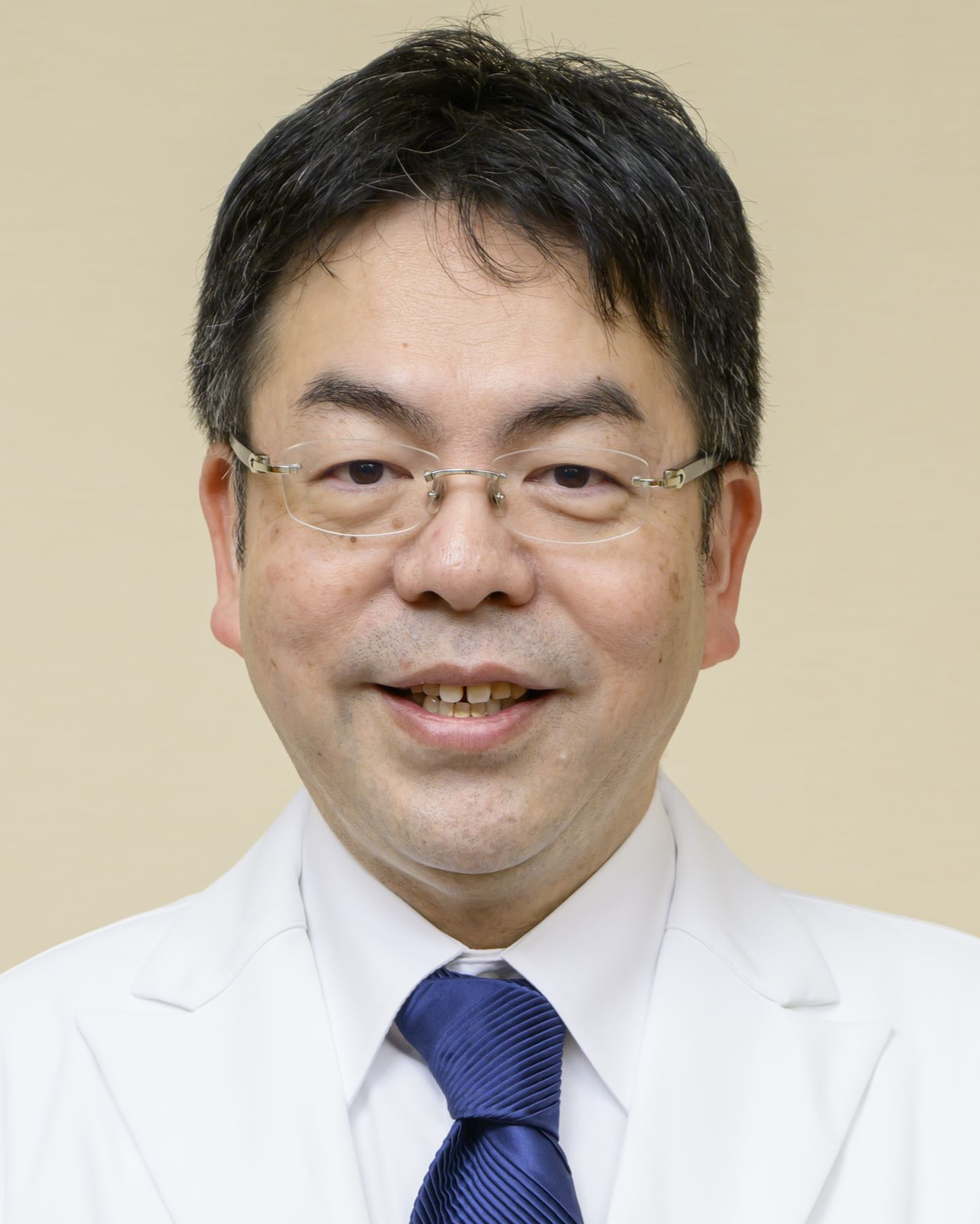
Kenjiro Ono,
MD, PhD (President)
It is my great honor to assume the position of the 5th President of the Japanese Society for Vascular Cognitive Impairment (Vas-Cog Japan), succeeding Dr. Yoshio Ikeda. I would like to express my deepest respect and sincere gratitude to the former presidents, the chairs of various committees, all society members, and the administrative staff for their dedicated efforts in advancing the academic activities of this society and enhancing its recognition in the broader community.
Building upon these achievements, I am committed to further advancing the Society by strengthening interdisciplinary collaboration, expanding membership, and promoting more active academic engagement. At the same time, I will strive to enhance the Society’s visibility and impact within society at large. I sincerely appreciate your continued support and cooperation.
The Society was originally established in April 2010 as the Japan Vas-Cog Research Group and was reorganized as the Japanese Society for Vascular Cognitive Impairment (Vas-Cog Japan) in October 2014. As of April 2026, the Society consists of 212 academic members, including 76 councilors, 26 directors, 3 advisors, and 2 auditors. To date, we have held 15 annual meetings, including a joint meeting with Vas-Cog World (the 7th International Conference) in September 2015.
Japan is currently facing an unprecedented super-aging society, accompanied by a continuous rise in the number of individuals with dementia and mild cognitive impairment (MCI). As of 2022, it is estimated that 4.43 million people are living with dementia and 5.585 million with MCI. If this trend continues, these numbers are projected to reach 5.842 million and 6.128 million, respectively, by 2040. Under these circumstances, there is an urgent need not only for the development of early diagnostic methods and effective treatments, but also for the establishment of comprehensive social support systems for patients and their families.
In recent years, significant progress has been made in disease-modifying therapies for Alzheimer’s disease, which had long posed major challenges. The approval of anti-amyloid beta therapies—lecanemab in 2023 and donanemab in 2024—has marked a new era in dementia care, making these treatments available in clinical practice in Japan. While real-world data on their efficacy and safety are accumulating, new challenges, such as amyloid-related imaging abnormalities (ARIA), have also emerged and require careful consideration.
A key feature of this Society lies in its focus on the role of vascular factors in the onset and progression of dementia. In addition, we promote integrative research that bridges basic science and clinical practice, and we foster collaboration across multiple specialties, including neurology, cardiology, geriatrics, psychiatry, and neurosurgery. This interdisciplinary approach represents a major strength of our Society and will remain a cornerstone of our future activities.
Our official journal, Vas-Cog Journal, has been published entirely in English since 2019, and a formal submission and peer-review system was established in 2025. We are currently working toward inclusion in PubMed Central (PMC) and are committed to further improving the quality and global visibility of our publications. Furthermore, our annual meetings provide valuable opportunities for researchers and healthcare professionals from diverse fields to engage in active discussions and exchange ideas.
From a policy perspective, the concept of a “dementia-inclusive society” has been emphasized in recent national initiatives in Japan. Our Society is expected not only to advance scientific knowledge but also to contribute to addressing these broader societal challenges.
Recent advances have highlighted the important interplay between vascular factors and neurodegenerative processes, leading to a new understanding of dementia pathophysiology. The activities of our Society are expected to contribute to further progress in prevention, diagnosis, and treatment, ultimately benefiting society as a whole.
We are committed to fostering an open and collaborative platform that brings together expertise from diverse disciplines and professions. We sincerely welcome your participation and continued support.
April 1, 2026
Articles of Association of the Japanese Society for Vascular Cognitive Impairment
Chapter 1.Name
(Name)
Article1
The society shall be named Nihon Nokekkan Ninchisho Gakkai Sokai and shall be written as “the Japanese Society for Vascular Cognitive Impairment” (abbreviated as VAS-COG J) in English.
(Offices)
Article2
The Society’s head office shall be in 58-5 Kurotsuchi-cho, Kita-ku, Sakai-shi, Osaka, Japan, 591-8024
Chapter 2.Purpose and Business Activities
(Purpose)
Article3
The society is established for development of a new field of study of cognitive impairment. To this end, the society shall study clinical basic research with a wide field of vision about related matters of vascular lesion and cognitive impairment in Japan; also shall exchange information with international researchers; shall uncover causes of cognitive impairment and participation of vascular lesions, then shall research the possibilities for drug development.
(Business Activities)
Article4
The society shall engage in the following business activities to achieve the purpose provided in the preceding article:
(1)Business activities such as publication of academic journals
(2)Business activities such as holding annual meetings (Annual meetings shall be financed by the participants’ entry fees but other organizations may co-host the meetings.)
(3)Business activities such as supporting and awarding study relating to the medical treatment of vascular cognitive impairment.
(4)Any other business activities for achieving the purpose provided in the preceding article.
Chapter3.Members
Article5
The society shall be comprised of the following types of members:
1. Regular members
2. Student members
3. Supporting members
4. Advisers
Article6
Any member shall be distributed academic journals and may present his/her study in annual meetings, symposiums and lectures.
Article7
Regular members and student members who agree with the purpose of the society, are individuals, who shall pay the annual membership fees separately designated by the General Assembly. Any applicant who joins the society shall fill in the designated application form, with the annual membership fee, and shall apply to the secretariat’s office.
Article8
Supporting members are individuals or organizations who agree with the purpose of the society and pay the supporting membership fees to support activities of the society.
Article9
Advisers have an achievements in development related to vascular lesions and cognitive impairment especially and shall be determined by the Board of Directors with Board Member’s recommendation. Advisers shall be exempt from the annual membership fee.
Article10
Members shall disqualify his/her membership if he /she falls under any of the following cases:
1. Cases in which he/she submits a withdrawal application to the society.
2. Cases in which he/she has not paid the annual membership fee for three years, and refuses demands of payment.
3. Any other case in which he/she violates the articles of incorporation and other regulations or has damaged the reputation of the society, and Board of Councilors shall determine his/her dismissal from the society.
Article11
Regular members and student members shall be accepted an adjournment with notification by the Representative Director, if they separately establish fixed conditions.
Chapter4.Officers and Councilors
Article12
The society shall have the following officers.
Board Members :twenty six members
Auditors :two members
Article13
The society shall have Councilors.
Article14
Auditors and additional Board Members outside the Board Members specified above, shall be determined according to a separate process. Councilors shall also be determined according to a separate process. The Chairman shall be selected by a recommendation of the Board of Directors. Each committee leader shall be chosen by the Representative Director, then approved by the Board of Directors. The Representative Director, the Chairman, the Leader of Society Promotion, the Leader of Finance, and the Chief Editor shall be members of the Board of Directors.
Article15
The Representative Director shall represent the society, control the performance of the society work and convene the Board of Councilors.
The Representative Director and Board Members shall organize the Board of Directors, and manage the work of the society.
The Representative Director shall report budget statements, account settlement, human resources of Board Members and any of the other main work of the society to the Board of Councilors and the General Assembly.
Article16
The society shall have a Board for Society Promotion, a Board of Finance and an Editorial Board.
The Representative Director may establish other boards with the approval of the Board of Directors. Except in cases discussed in Article14, each leader of each committee shall be nominated by the Representative Director from among the Board Members, then be approved by the Board of Directors. Members of committees shall be approved by the Board of Directors, and then the Representative Director shall commission him/her. Terms for committee members last four years and maybe renewed indefinitely.
Article17
Auditors shall audit accounting, and shall give advice to the Board of Directors about managing the society. Auditors shall not hold any other offices and committee assignments.
Article18
Officers and Councilors shall serve a term of one fiscal year. The Representative Director, Executive Director, Board Members, Auditors and Councilors’ terms are two years, and they may serve a maximum of two terms in a row.
Article19
If a vacancy occurs, the Board of Directors shall appoint new Board Members if necessary, but those newly appointed members’ terms are bound by the remaining period of their predecessors.
Article20
Councilors shall organize the Board of Councilors, and discuss issues necessary to the management of the society.
Article21
The Chairman shall represent the society in the fiscal year, and shall carry out their mission as a representative of the society.
1. The Chairman shall be nominated and then confirmed by the Board of Directors.
2. The Chairman’s term is one year, from the day following the end of the previous Annual Meeting to the day the current Annual Meeting finishes.
Chapter5.Council
Article22
Annual Meeting, Board of Councilors and General Assembly shall be held once a year.
Article23
The Representative Director shall hold a Board of Councilor’s Meeting temporarily if requested by more than one-third of the councilors.
Articles24
Meetings of the Board of Directors shall be called by the Representative Director if necessary. Meetings of the Board of Directors require attendance of over two-thirds of members, and shall be decided by over half of the Board Members in attendance. In case a vote is a tie, the Representative Director shall determine how to proceed. Individuals nominated by the Representative Director may attend a Board of Directors Meeting.
Chapter6.Accounts
Articles25
The fiscal year of the society shall commence on Apr 1st of every year and shall end on Mar 31st of the following year.
Articles26
The society shall be financed by annual dues, supporting members’ fees, various subsides and donations.
Articles27
Expenses of the society shall be processed by the general fund account and special fund account.
Articles28
The general fund account shall record all income and expenditures excluding the special fund account.
Articles29
The special fund account shall record income and expenditures to assure a stable financial basis for the society. There shall also be provision to record income and expenditure of funds established for special purposes.
Article30
Establishment of each kind of fund, transfer of funds, and use of funds shall be approved by the Representative Director.
Additional rules
- Any revision of the society’s articles shall be approved by the Board of Directors.
- The Board Members shall not be paid for their duties.
- The articles of the society shall take effect from the day following approval by the Board of Directors.
- The annual member fee shall be ¥5,000.
- The date of foundation shall be October 01,2014.
Established on October 01, 2014
Revised on September 18, 2015
Revised on August 06, 2016
Revised on May 01, 2017
Revised on April 01, 2018
Privacy Policy
Vas-Cog Joural
J-STAGE(https://www.jstage.jst.go.jp/browse/vascog/-char/ja)
Submission Instructions for authors:
Vas-Cog Journal is an official journal of the Japanese Society of Vascular cognitive impairment. Original Articles deal with either clinical or experimental investigation of the vascular cognitive impairment. The journal will also consider the publication of review articles. Manuscripts must conform to Recommendations for the Conduct, Reporting, Editing and Publication of Scholarly Work in Medical Journals (ICMJE Recommendations) (http:// www.icmje.org/recommendations/).
Submission of a manuscript to Vas-Cog Journal implies that the article is original and that no portion (including figures or tables) is under consideration elsewhere or has been previously published in any form other than as an abstract. Previous publication includes publishing as a component of symposia, proceedings, transactions, books (or chapters), articles published by invitations or reports of any kind, as well as in electronic databases of a public nature.
Submission of a manuscript implies that, when accepted for publication, the authors agree to automatic transfer of the copyright to the Japanese Society of Vascular Cognitive Impairment. Every reproduced figure or table must have permission from the copyright holder. Authors should obtain permission in advance of manuscript submission, and clearly state that in the figure/table legend. Examples:(1) Adapted from reference no. xx with permission. (2) Reproduced with permission from xxxx, et al. Neurology 2018; 91: xx – xx.
When reporting experiments on human subjects, indicate whether the procedures followed were in accordance with the ethical standards of the responsible committee on human experimentation (institutional or regional). The participants’ informed consent should be obtained and should be indicated in the text. When reporting experiments on animals, indicate whether institutional or national guidelines for the care and use of laboratory animals were followed.
In accordance with the Clinical Trial Registration Statement from the International Committee of Medical Journal Editors (http://www.icmje.org/), all clinical trials published in Vas-Cog Journal should be registered in a public trials registry at or before the participant recruitment. Refer to CONSORT 2010 guidelines (http://www.consort-statement.org/) for randomized clinical trials, and the STROBE statement (http://www.strobe-statement.org/) for observational studies (cohort, case-control, or cross-sectional designs).
Submission of Manuscripts:
At least the first author and corresponding author should be members of Japanese Society of Vascular Cognitive Impairment. All manuscripts must be submitted electronically through online submission system in the official web site of Japanese Society of Vascular Cognitive Impairment (http://www.plus-s-ac.com/vas-cogj/). The submitting author should upload the manuscript files in appropriate word and PDF file formats according to the instructions provided. Before completing submission, the submitting author is required to thoroughly check the PDF file.
Authorship Agreement:
When submitting a manuscript through the online submission system, the contact/submitting author should complete the “Authorship Agreement” form (http://www.plus-s-ac.com/vas-cogj/kaishi.html) with all co-authors’ signatures, and upload it as a PDF file in the submission system. Because any additional co-authors cannot be approved after the manuscript has been accepted, ensure that all co-authors have been properly listed during the submission process. If additional authors are included in a revised manuscript, the contact author of the manuscript is required to provide another “Authorship Agreement” form signed by the added authors as well as detailed reasons for their addition.
Manuscript Format:
All manuscripts should be written in English (US spelling) and prepared according to the following specifications.
- The main document should be typewritten by word with double spacing and include the following in general: (1) Title page, (2) Abstract, (3) Key words, (4) Text, (5) Acknowledgements, (6) References and (7) Legends for Tables and/or Figures. This word file should be sent to the office with attached converted PDF file of final published style.
- Pages should be numbered consecutively in this sequence, beginning with the title page.
- The title page must have the following content:
- Complete title of the paper; Abbreviations are not acceptable in the title.
- Name(s) of author(s) with highest academic degree(s); Only MD, PhD, or BSc could be included.
- Affiliations of all authors at the time of the study; i.e., department and institution
- Short title; Up to 50 characters including spaces can be used.
- Disclosures; Information of all COI, grants, sources of funding related to the manuscript should be declared.
- Name and address of the author responsible for correspondence
- Total word count of the manuscript
- Total numbers of Tables, Figures and Supplementary files
- Abstracts in manuscript types “Original Article of Clinical or Experimental Research” should be structured, and consist of the following 3 headings:
1: Background: Rationale for study; 2. Method and Results: Brief presentation of methods and presentation of significant results; Note that both categories should be included under the one heading. 3. Conclusions: Succinct statement of data interpretation - Units of measurement should be SI units, except for blood pressure, which should be expressed in mmHg. Do not spell out numbers and standard units of measurement except at the beginning of sentences. Use Arabic numerals and standard abbreviations to indicate numbers and units.
- References must be numbered consecutively as they appear in the text and be listed in the same numerical order at the end of the article. They should accord with the system used in the Uniform Requirements for Manuscripts Submitted to Biomedical Journals. Only published manuscripts are accepted as references. If a reference is from a yet-to-be-published book, include ‘In Press’ as well as the anticipated year of publication. If a reference is published online only, the “D.O.I” or “URL as well as the last available date accessed” should be provided. The titles of referenced journals should be abbreviated to the style used in Index Medicus (http://www.nlm.nih.gov/tsd/serials/lji.html). All author names should be listed when referenced material has 3 or less authors; when it has 4 or more, only the first 3 authors’ names should be listed, with “et al.” at the end.
- Yamashita T, Kamiya T, Deguchi K, et al. Dissociation and protection of the neurovascular unit after thrombolysis and reperfusion in ischemic rat brain. J Cereb Blood Flow Metab 2009; 29: 715–725.
- Takeda S, Morishita R. Diabetes and Alzheimer's Disease. In: Yamagishi S, editor. Diabetes and Aging-related Complications. Springer, 2018; 101–111.
- Takeda S, Wegmann S, Cho H, et al. Neuronal uptake and propagation of a rare phosphorylated high-molecular-weight tau derived from Alzheimer's disease brain Nat Commun 2015; 6: 8490. doi: 10.1038/ncomms9490
- All figures in a manuscript are recommended to be in full color; publication in color requires page charge of JPY65,000 for one color page (see also “VI. Publication Charges”). For invited articles, publication in color is cost-free for one page and requires JPY65,000/one exceeding color page. Letters and symbols in figures should be clear and of sufficient size to be legible after reduction to the width of one column. Specify the size to be printed, if necessary.
- Content of supplementary files will only be published in the online journal. Therefore, if a supplementary file contains References, they should be separate from those in the Main Document, and only refer to the content in the supplementary file(s). There is a size limit of 5 MB for uploaded supplementary file(s) per manuscript.
Examples:
II. Manuscript Types:
- Original article
- Images in Vascular Cognitive Impairmen
- Review Article (Invited)
- Editorial (Invited)
- Case Report
- Letter to the Editor” and “Author’s Reply
Total word count is less than 6,000 words and less than 220 words for Abstract. Number of Table and Figures are less than 8 and less than 3 supplementary figures. No limitation of numbers of references. Three to 5 Keywords and structured abstract with 3 headings are other requirements.
Images in Vascular Cognitive Impairment” should contain a novel color image with scientific impact. Note that we do not accept any case reports. The manuscript consisted of less than 400 words, 1 figure and 2 supplementary files, normally occupies 1 journal page.
“Review Article” is usually invited one upon request from the Editor-in-Chief, but we will also consider limited number of non-invited submissions. Total word count is less than 6,000 words and less than 220 words for Unstructured Abstract. Number of Table and Figures are less than 8 and less than 3 supplementary figures. No limitation of numbers of references.
“Editorial” normally occupies no more than 2 journal pages about subject manuscript should be cited Upon request from the Editor-in-Chief. Total word count is less than 1,500 words and no abstract, less than 2 Table or figures and less than 15 references.
Total word count is less than 3,000 words and less than 100 words for Unstructured Abstract. Number of Table and Figures are less than 4 and 20 references. Vas-Cog Journal encourage submission by young researches in this section.
This is an opinion-letter to a manuscript which has been published in Vas-Cog Journal. The manuscripts must not exceed 1,000 words in length and have no more than 5 co-authors.
Authors who submit or resubmit manuscripts to the journal are required to have all of their manuscript files strictly reflect the requirements outlined here. When any part does not, we cannot start either the initial or revision review process. “Total word count” is the total number of all words appearing in the manuscript files, except for the text in Table(s) and Figure(s). Note that legends for these are included in the “Total word count”.
III. Conflict of Interest Disclosure Policy:
The submitting author should complete and upload the COI form in the submission system and have the same information included in “Disclosures” in the main document in order to disclose all authors’ relationships that could be perceived as real or apparent conflict(s) of interest. When submitting a manuscript for publication, all authors are required to disclose any financial relationship (within the past 12 months) with a biotechnology manufacturer, a pharmaceutical company, or other commercial entity that has been involved in the subject matter or materials discussed in the manuscript. When a manuscript has been accepted for publication, all disclosed COI will appear in the article.
Example:
Disclosures:A (author name) serves as a consultant to Z (entity name); B’s spouse is chairman of Y; C received a research grant from X; Deceived lecture fees from V; E holds a patent on U; F has been reimbursed by T for attending several conferences; G received honoraria for writing promotional material for S; H has no conflict of interest.
IV. Review of Manuscripts:
All original manuscripts are usually evaluated by 2 reviewers assigned by the Editors.
V. Proofs:
Galley proofs of accepted manuscripts will be sent to the authors for their correction. Changes should be limited to typographical errors or errors in the presentation of data. Excessive corrections may be rejected by editors and/or be charged to the authors.
VI. Publication Charges:
Free for publication charge in manuscript submission rules within total word count, Tables, Figures and References. JPY8,000/one exceeding page charge (JPY65,000 for one color page).
VII. Reprints:
Reprints are available in a multiple of 100 copies when ordered with the return of the proofs. The approximate cost per 100 copies is JPY10,000, including color pages. Free PDF publication.
EDITORIAL BOARD
Editor-in-Chief
Masafumi Ihara
Department of Neurology
National Cerebral and Cardiovascular Center
Senior Associate Editor
Shuko Takeda
Department of Clinical Gene Therapy,
Graduate School of Medicine, Osaka University
Associate Editors
Tomoyuki Ohara
Department of Neurology, Kyoto Prefectural University of Medicine
Naoki Saji
National Center for Geriatrics and Gerontology
Masayuki Satoh
Department of Dementia and Neuropsychology,
Advanced Institute of Industrial Technology,
Tokyo Metropolitan Public University Corporation
Moeko Shinohara
Department of Neurology, Kanazawa University
Satoshi Suda
Department of Neurology and Cerebrovascular Medicine,
Saitama Medical University International Medical Center
Toru Yamashita
Department of Neurology,
Okayama University Graduate School of Medicine,
Dentistry and Pharmaceutical Sciences,
EDITORIAL ADVISORY BOARD
- Kenjiro Ono
- Department of Neurology, Kanazawa University Graduate School of Medical Sciences
- Hironori Nakagami
- Department of Health Development and Medicine, The University of Osaka Graduate School of Medicine
- Koji Abe
- Okayama University
- Ken Nagata
- Clinical Research Institute, Yokohama General Hospital
- Hiroshi Mori
- Nagaoka Sutoku University
- Yoshio Ikeda
- Department of Neurology, Gunma University Graduate School of Medicine
- Yoshiaki Itoh
- Osaka Metropolitan University Graduate School of Medicine
- Masafumi Ihara
- Department of Neurology, National Cerebral and Cardiovascular Center
- Yasuyuki Ohta
- Division of Neurology and Clinical Neuroscience, Department of Internal Medicine III, Yamagata University School of Medicine
- Yumi Umeda-Kameyama
- Kyorin University Hospital
- Noriyuki Kimura
- Department of Neurology, Oita University, Faculty of Medicine
- Hisatomo Kowa
- Kobe University Graduate School of Health Sciences
- Masataka Sata
- Department of Cardiovascular Medicine, Tokushima University Graduate School
- Munehisa Shimamura
- Department of Gene & Stem Cell Regenerative Therapy, Osaka University Graduate School of Medicine
- Takayoshi Shimohata
- Department of Neurology, Gifu University Graduate School of Medicine
- Ken Shinmura
- Department of General Internal Medicine, Hyogo College of Medicine
- Kazuma Sugie
- Department of Neurology, Nara Medical University School of Medicine
- Masahiko Suzuki
- Department of Rehabilitation Medicine, The Jikei University School of Medicine
- Shuko Takeda
- Department of Clinical Gene Therapy, School of Medicine, Osaka University
- Yasushi Takeya
- Osaka University Graduate School of Medicine
- Hiroo Terashi
- Department of Neurology, Tokyo Medical University
- Eiichiro Nagata
- Department of Neurology, Tokai University School of Medicine
- Yukihito Higashi
- Department of Regenerative Medicine, Research Institute for Radiation Biology and Medicine, Hiroshima University
- Miyuki Matsumura
- Department of Neurology, Institute of Geriatrics,Tokyo Women's Medical University
- Tohru Minamino
- Department of Cardiovascular Biology and Medicine Juntendo University Graduate School of Medicine
- Masaki Mogi
- Department of of Pharmacology, Ehime University Graduate School of Medicine
- Hideki Mochizuki
- Department of Neurology, Osaka University Graduate School of Medicine
- Ryuichi Morishita
- Department of Clinical Gene Therapy, School of Medicine, Osaka University
- Toru Yamashita
- Department of Neurology, Okayama University Graduate School of Medicine, Dentistry and Pharmaceutical Sciences
- Hiroshi Yoshizawa
- Tokyo Women's Medical University, Department of Neurology
- Amelia Nur Vidyanti
- Faculty of Medicine, Public Health and Nursing, Gadjah Mada University, Indonesia
- Chaur-Jong Hu
- School of Medicine, College of Medicine, Taipei Medical University, Taipei, Taiwan
- Man Mohan Mehndiratta
- B.L.Kapur Hospital (Max Health Care Group), Centre for Neuroscience, New Delhi, India
- Sonu Bhaskar
- Global Health Neurology Lab, Sydney, Australia; NSW Brain Clot Bank, NSW Health Pathology, Sydney, Australia; Liverpool Hospital, South West Sydney Local Health District & Ingham Institute for Applied Medical Research, South West Sydney Clinical Campus, UNSW Medicine & Health, Sydney, Australia
- Tsong-Hai Lee
- Linkou Chang Gung Memorial Hospital, Taiwan